
News Archive

EU-Klimaschutz jenseits der Grenzen
PIK-Studie zeigt wie ambitionierter Klimaschutz wirtschaftlich sinnvoll gestaltet werden kann
 Permafrost Tipping Point Arrives Earlier Than Expected—Deep Frozen Soils Hold Climate’s Biggest Secret Gallery
Permafrost Tipping Point Arrives Earlier Than Expected—Deep Frozen Soils Hold Climate’s Biggest Secret
Climate Change, Cryosphere, Environment, Feedback, Geosphere, Greenhouse Gases, Methane (CH4), Permafrost, Science, Soils, Video, World News
Permafrost Tipping Point Arrives Earlier Than Expected—Deep Frozen Soils Hold Climate’s Biggest Secret
Hidden Carbon Bomb: Scientists Warn Deep Permafrost Could Unleash Climate Catastrophe by 2100
Hansen: Yes, 2026 is on Track to be the Hottest Year
The basis for our projection of record 2026 global temperature is high climate sensitivity
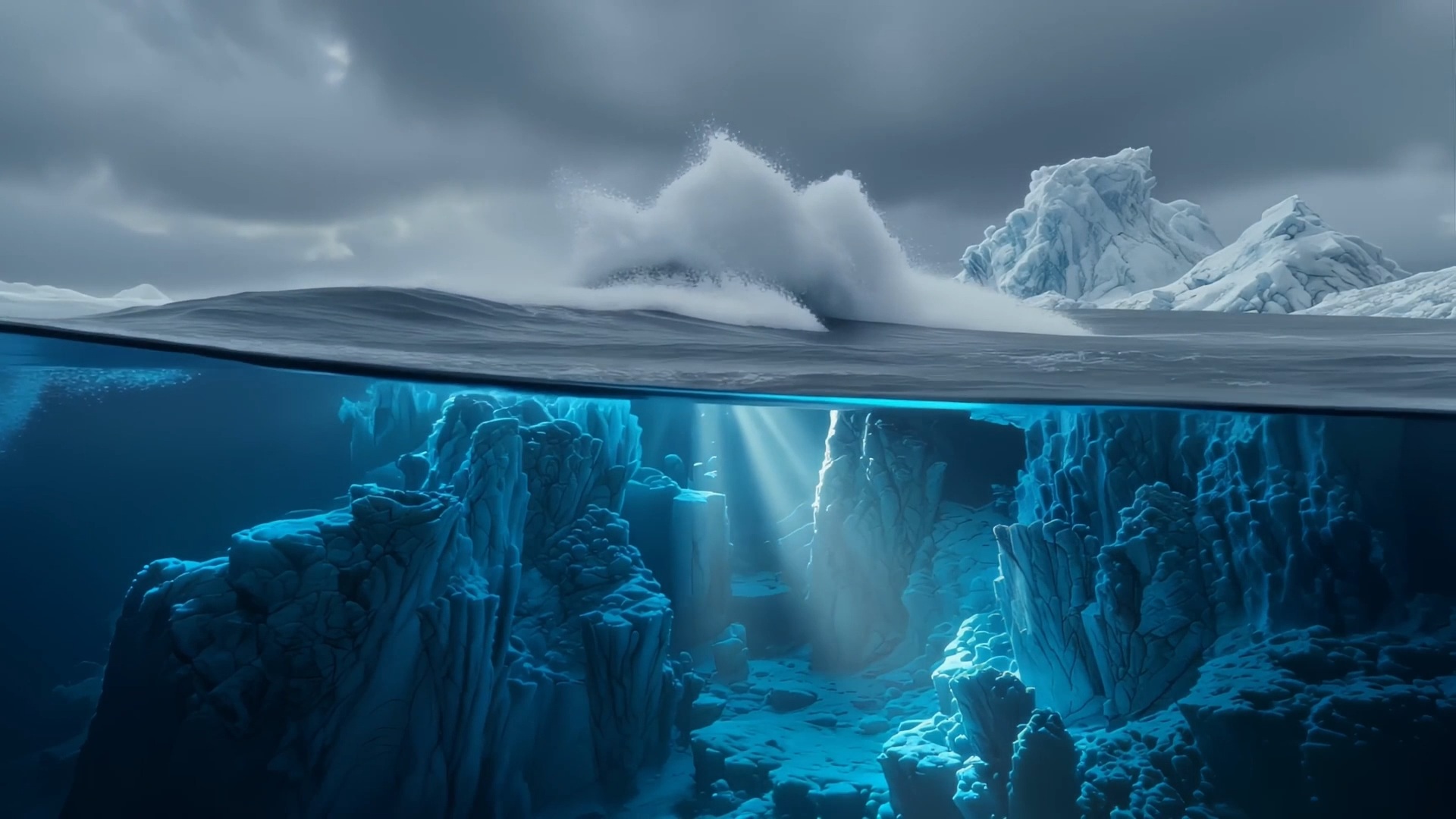
Study: ESAS region and evidence for oxidation of methane (2026)
Researchers examined sediment cores from an active methane seep region on the outer East Siberian Arctic Shelf
预计本世纪南极地表融化将显著增加
研究表明,随着气候变暖,南极洲的冰架正面临日益严峻的威胁。 最新研究显示,预计在21世纪期间,南极洲表面的冰雪融化现象将显著加剧并向更广泛的区域蔓延。如果全球气温持续上升,到2100年,融化总量将增加十倍,受影响的区域面积也将增加超过10%。 这项研究由惠灵顿维多利亚大学(Te Herenga Waka)南极研究中心的研究人员主导,重点探讨了气候变暖给南极冰架带来的日益严重的威胁。 该校气候科学家、研究合著者尼古拉斯·戈利奇(Nicholas Golledge)教授表示:“我们的研究结果表明,南极表面的冰雪融化不仅在加剧,而且正在向南极大陆的其他区域扩散。如果我们继续维持当前的排放模式,这一趋势将持续下去。若要将融化量稳定在现有水平,很可能需要大幅削减温室气体排放。” 该研究利用气候模型,预测了不同排放情景下南极表面冰雪的融化量。结果显示,低排放情景与高排放情景下的未来状况存在显著差异。 Golledge 教授进一步指出:“如果全球气温较工业化前水平升高约 3.5 至 4 摄氏度,南极大陆周围地表融化加剧将使冰架极易发生快速崩塌,进而导致海平面上升。在升温超过 4 摄氏度的极端情景下,发生快速崩塌的风险将更为显著。” 模型预测显示,未来的地表融化可能会向南蔓延至此前基本未受气温升高影响的区域;预计到 2100 年,将有额外的 158 万平方公里区域出现融化现象。 在本世纪末,若处于中度或高度排放情景下,融化速率仍将远高于当前水平。 研究结果表明,唯有采取低排放策略,才有望将未来的融化速率稳定在当前水平。在此路径下,全球平均气温较工业化前水平的升幅必须控制在远低于 2 摄氏度的范围内。 Golledge 教授表示:“这些研究结果凸显了减少排放的紧迫性。强有力的减排措施有助于稳定融化态势,而力度不足的行动则会让南极洲面临急剧变化带来的风险。我们深知,冰盖崩塌导致的海平面上升将对新西兰(Aotearoa New Zealand)沿海社区产生重大影响。鉴于我们拥有漫长的海岸线,海平面上升使我们面临着尤为严峻的威胁。” 地表融化加剧将影响南极冰架的稳定性,并可能引发其他生态变化。 Golledge 教授说道:“夏季地表融化会增加可用水量,从而可能改变地表状况。由此产生的一个连锁反应是,这可能为外来物种在南极洲部分地区的定居创造新的机会。” 该研究发表于《自然-通讯》(Nature Communications)期刊。这项工作获得了新西兰皇家学会(Royal Society of New Zealand—Te Apārangi)颁发的卢瑟福探索奖学金(Rutherford Discovery Fellowship)的资助。 参考 研究 https://www.wgtn.ac.nz/news/2026/06/antarctic-surface-melt-set-to-increase-dramatically-this-century-new-study-finds 全球气温仪表盘 https://dashboard.theclimatebrink.com/#global 部分影像素材由 PBS 和 NASA 提供
Antarctic surface melt is expected to rise significantly this century
Research shows that as our climate warms, Antarctica's ice shelves face increasing threats. According to new research, surface melting in Antarctica is expected to intensify and spread significantly throughout the course of the twenty-first century. If global temperatures continue to climb, the amount of melt will increase tenfold and the impacted area would increase by more than ten percent by the year 2100. Researchers at Te Herenga Waka—Victoria University of Wellington's Antarctic Research Centre led the study, which emphasizes the [...]
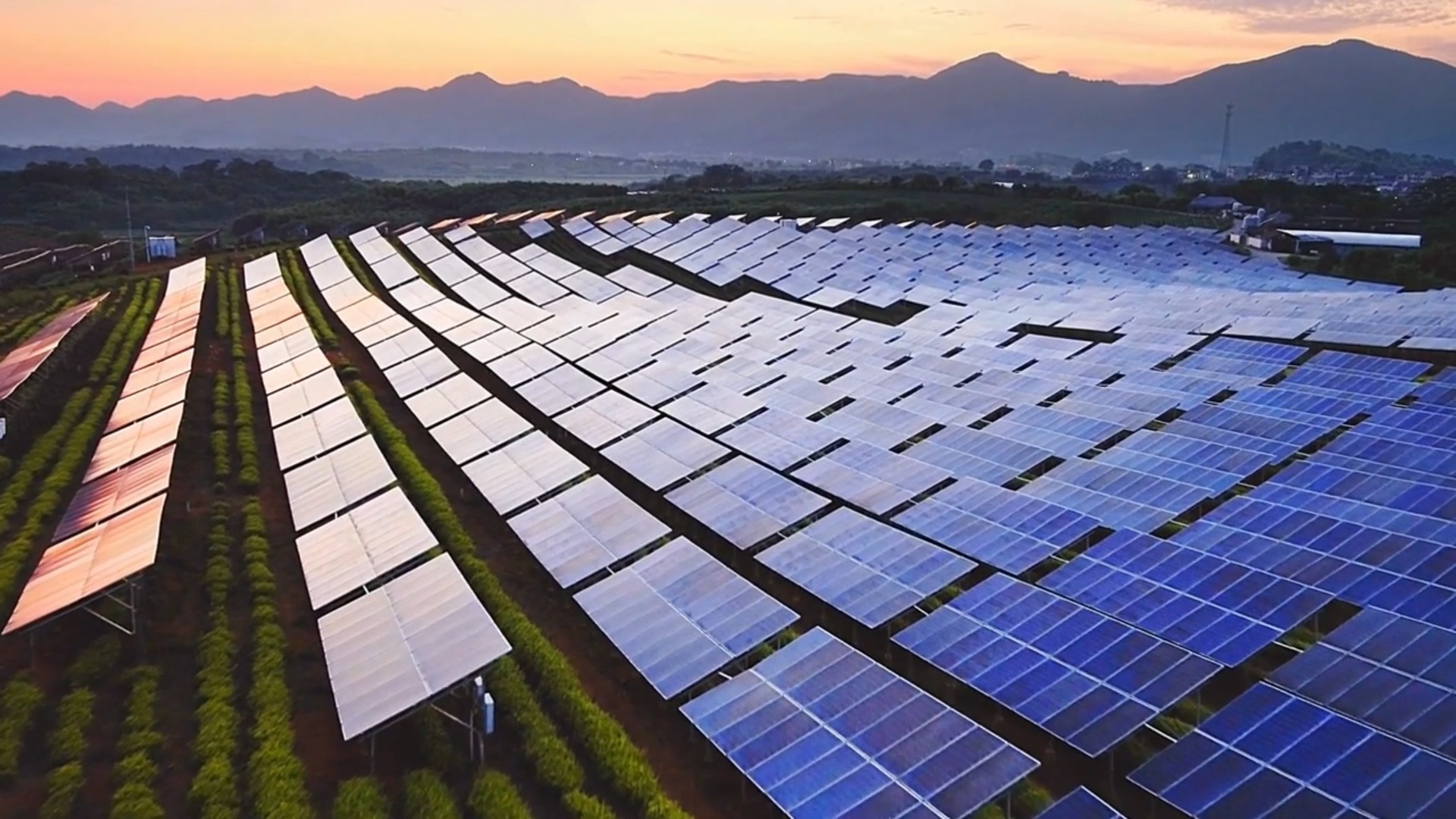
Solar overtakes gas power in Asia for first time ever (2026)
Solar has overtaken gas power in Asia to become the continent’s third-largest source of electricity

How global warming is being caused by a record-high “energy imbalance”
The planet is heating up more quickly than ever before. Ever more energy has created an energy imbalance.