Antarctic surface melt is expected to rise significantly this century
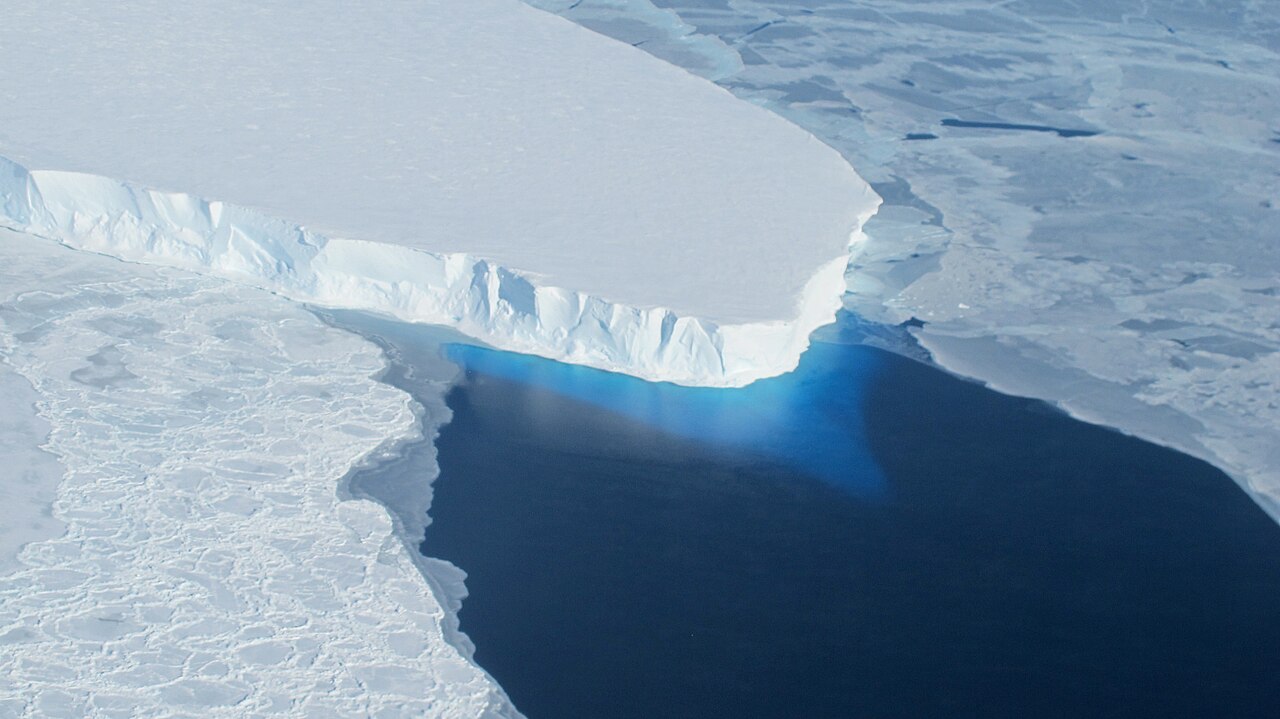
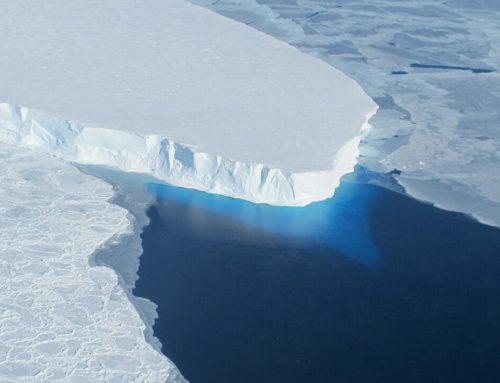
Research shows that as our climate warms, Antarctica’s ice shelves face increasing threats.
According to new research, surface melting in Antarctica is expected to intensify and spread significantly throughout the course of the twenty-first century. If global temperatures continue to climb, the amount of melt will increase tenfold and the impacted area would increase by more than ten percent by the year 2100.

Researchers at Te Herenga Waka—Victoria University of Wellington‘s Antarctic Research Centre led the study, which emphasizes the growing threats to Antarctica’s ice shelves as the climate warms.
Professor Nicholas Golledge, a climate scientist at the university and study co-author said: “Our findings show Antarctic surface melting is not only increasing but spreading into new parts of the continent. This trend will continue if we keep doing business as usual. Just to stabilise melt at current levels, significant cuts in greenhouse gas emissions will likely be needed.”
The amount of surface ice that would melt under various emissions scenarios was predicted by the study using climate models. The results revealed a significant difference between futures with low and high emissions.
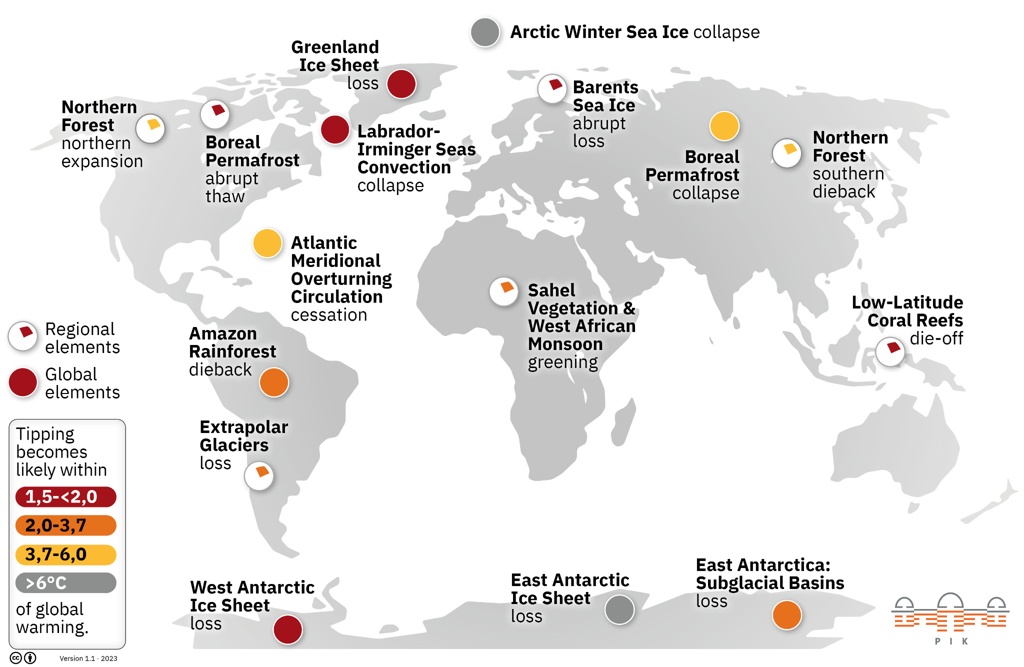
Professor Golledge further noted, “Under a scenario in which global temperatures rise by approximately 3.5 to 4°C above pre-industrial levels, increased surface melting around the continent will leave ice shelves much more vulnerable to rapid collapse and sea-level rise. In an extreme scenario where warming rises above 4°C, the risk of rapid collapse becomes even more pronounced.”
According to modeling, future surface melt would probably spread southward into areas that have historically been mainly unaffected by temperature increases of roughly 3.5 to 4°C, with an extra 1.58 million km² predicted to undergo melting by 2100.
By the end of the century, melt rates would still be significantly higher than they are now under scenarios with medium and high emissions.
Only a low-emissions option would be expected to stabilize future melt at current levels, according to the results. Global average temperature increases would have to be well below 2°C over pre-industrial levels under this pathway.
Professor Golledge, “These findings underscore the urgency of reducing emissions. Strong mitigation could stabilse melt, while weaker action leaves Antarctica exposed to rapidly escalating change. We know sea-level rise resulting from ice-sheet collapse would have major implications for coastal communities in Aotearoa New Zealand. Given our long coastline, we’re particularly vulnerable to rising seas.”
The stability of the Antarctic ice shelves would be impacted by increasing surface melt, which would also probably lead to other ecological changes.
Professor Golledge, “Surface melting increases water availability in summer, which may alter surface conditions. One flow-on effect is the new opportunities this could create for colonisation by invasive species in parts of the continent.”
The study is published in the journal Nature Communications. The work was funded by a Rutherford Discovery Fellowship from the Royal Society of New Zealand—Te Apārangi.
References
- Study https://www.wgtn.ac.nz/news/2026/06/antarctic-surface-melt-set-to-increase-dramatically-this-century-new-study-finds
- Global Temperature Dashboard https://dashboard.theclimatebrink.com/#global
- Additional footage via PBS & NASA
About the Author: EARTH CLIMATE