Permafrost Tipping Point Arrives Earlier Than Expected—Deep Frozen Soils Hold Climate’s Biggest Secret
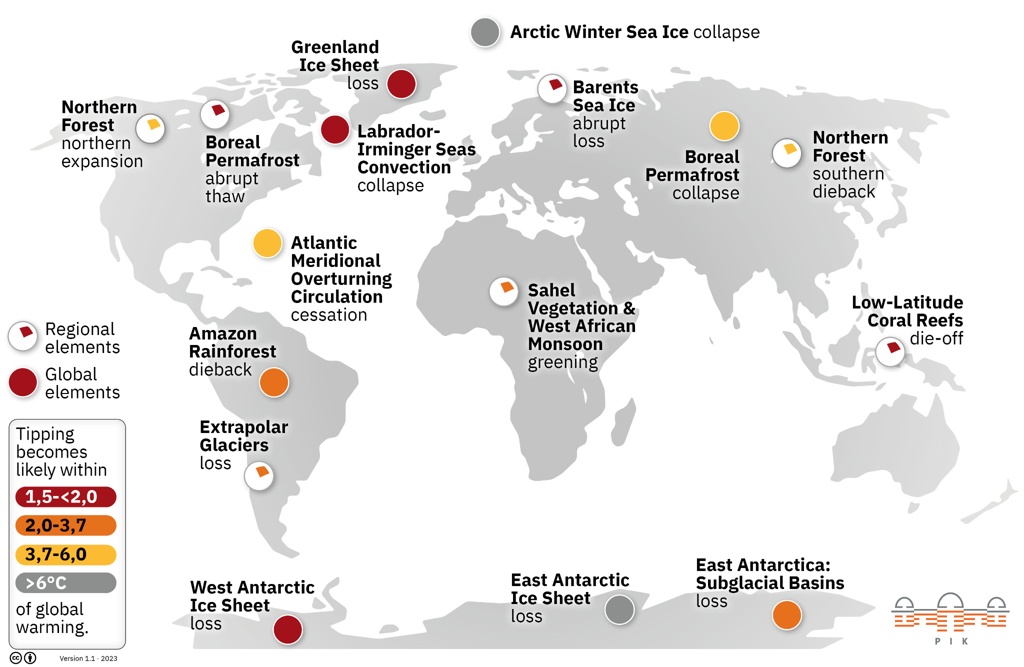
Permafrost covers roughly 15 percent of Northern Hemisphere land and stores roughly double the carbon currently in the atmosphere, making it a crucial carbon reservoir. As global temperatures rise, thawing permafrost releases this stored carbon, creating a dangerous feedback loop that accelerates warming.

A new study suggests permafrost could shift from a carbon “sink” to a carbon “source” by 2100—earlier than previous models predicted. The key finding is that deep frozen soils below three meters, which were largely overlooked in past projections, contain significant carbon reserves that will thaw and release greenhouse gases.
Researchers constructed accumulation histories of deep soil carbon, including ancient peatlands formed during the Holocene, and found that without reducing global temperatures, permafrost could emit far more carbon than previously estimated.
This discovery reveals a major gap in climate models used to inform global policy, as they have not adequately accounted for deep permafrost carbon stores. The research serves as a warning that remaining carbon budgets—thresholds for limiting warming to 1.5 or 2°C above preindustrial levels—may need to be recalculated downward.
However, understanding how deep carbon fuels climate change allows society to better prepare mitigation and adaptation strategies. The United Nations’ Intergovernmental Panel on Climate Change is incorporating these findings into its seventh major climate report, due by the end of 2029.
Fully accounting for permafrost carbon emissions is now recognized as critical for effective climate planning and action.
References
- Net release of CO2 from thawing permafrost soil carbon predicted to occur earlier in this century https://www.science.org/doi/10.1126/sciadv.adz8478
- NASA Explorers: Permafrost youtube.com/watch?v=y7ZbghndiwQ
About the Author: EARTH CLIMATE