Despite energy crisis, Europe’s reliance on fossil fuels is growing
Europe is responding to a fossil fuel crisis by doubling down on gas infrastructure—plans for 60 gigawatts of new plants threaten to lock the continent into energy dependence for decades, a new report warns.

The Problem
The war in Iran triggered a fossil fuel price shock that exposed Europe‘s dangerous reliance on oil and gas. Rather than treating this as a warning to transition away from fossil fuels, EU governments are responding by planning to build almost 60 gigawatts of new gas plants that would lock the continent into fossil fuel dependence for decades. According to the “Merchants of Crisis” report by Beyond Fossil Fuels (published June 15, 2026), these plants would consume approximately 28 billion cubic metres of gas annually—equivalent to 9% of the EU’s projected gas imports and the consumption of 46.4 million households.
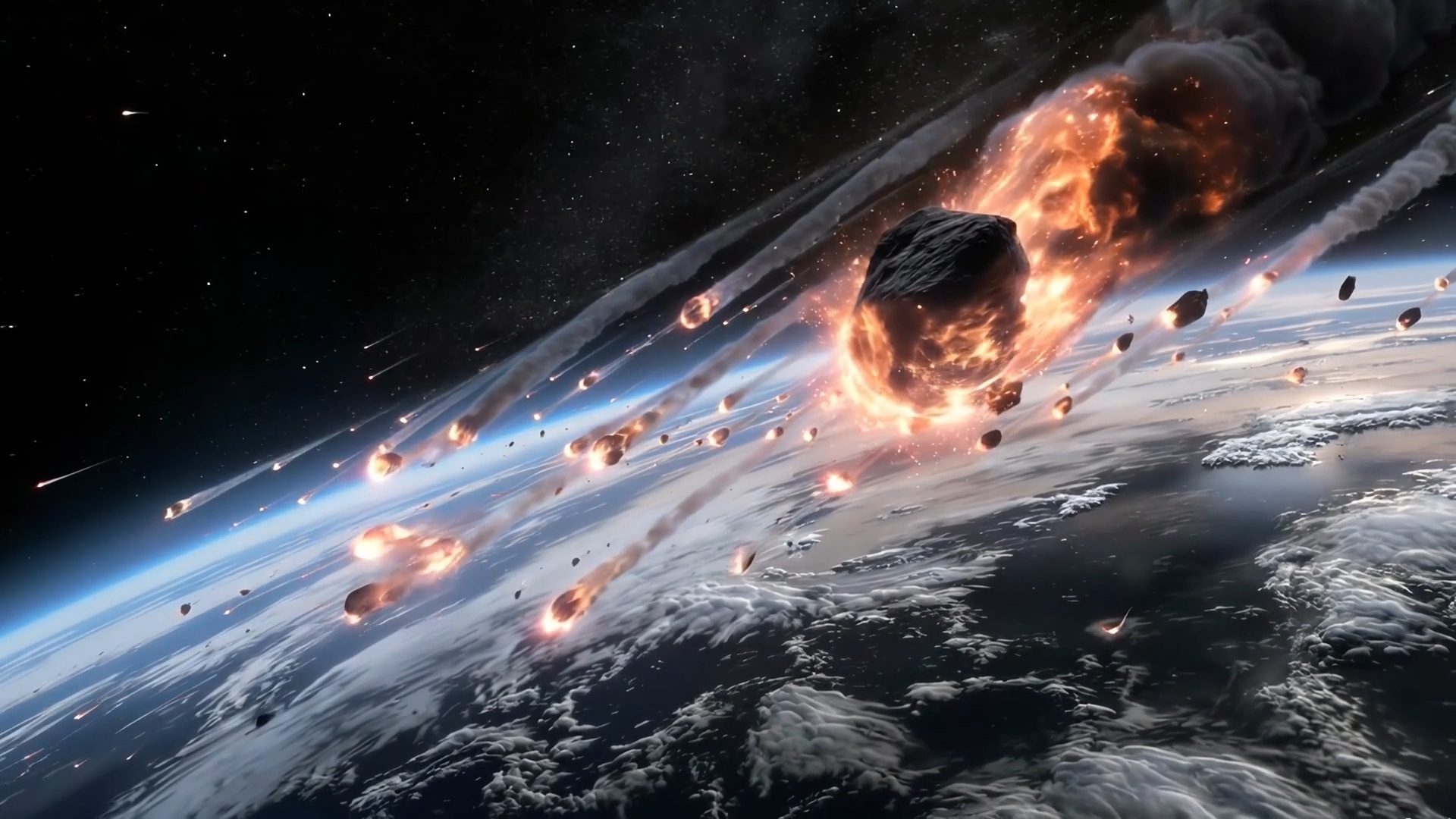
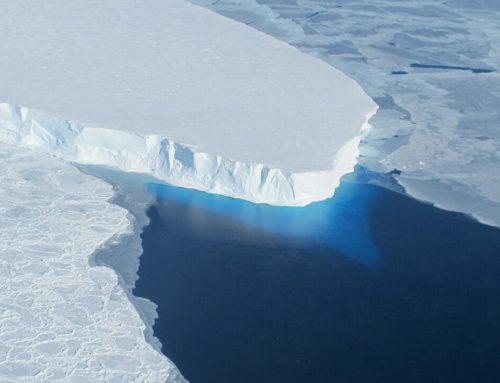
Does this image resemble the damage fossils can bring?
The Context
Natural gas prices in Europe have risen 60% since the war began, with gas storage levels significantly lower than previous years. Households and businesses face spiking energy bills and a deepening cost-of-living crisis.
Key Examples
Germany exemplifies this problem, planning to add 12 gigawatts of capacity by 2031, with 10 gigawatts designated as gas-fired plants. The report questions the neutrality of German Energy Minister Katherina Reiche, citing her decade-long career with E.ON subsidiary Westenergie and energy lobby group VKU. Poland has designed capacity auctions that exclusively favor gas plants, while Romania plans the Mintia power plant—projected to be Europe’s largest—despite analyses showing it won’t be economically viable by 2035.
The Argument
The report contends that politicians and energy companies are using “energy security” as a pretext to deepen fossil fuel dependence while enriching themselves. This creates a “self-reinforcing cycle” that leaves households vulnerable to future price shocks.
The Alternative
Campaigners argue that clean solutions are cheaper and faster. Grid-scale battery costs hit record lows in 2025 and installed capacity doubled in just two years. Smart meters enable dynamic electricity tariffs crucial for aligning renewable generation with consumption. However, Germany lags dangerously—only 4% of households had smart meters by September 2025, compared with 95%+ in France, Italy, Spain, and Sweden.
The Call
Beyond Fossil Fuels urges EU leaders to endorse a long-term framework progressively reducing structural dependence on fossil fuels, backed by measurable targets and accelerated investment in renewables, storage, and grid infrastructure. Over 20 industry groups, climate NGOs, and trade unions have signed a letter supporting this position ahead of the European Council meeting.
About the Author: EARTH CLIMATE