
Bonn Climate Talks Stalled by Gridlock on Finance and Emissions
Two weeks of tense UN climate negotiations in Bonn, Germany, concluded with minimal tangible progress as diplomats struggled with deep divisions over climate finance, emissions cuts, and scientific integrity. The June 2026 talks revealed significant fractures in the climate negotiating process, with parties unable to reach agreement on several critical agenda items including the global goal on adaptation and a mitigation work programme focused on scaling up emissions reductions.

The Adaptation Stalemate
Climate adaptation negotiations hit a wall, with the global goal on adaptation (GGA) failing to produce agreed text and instead being deferred to COP31. The central dispute centered on climate finance, as developing countries insisted that any adaptation framework must reference the tripling of adaptation finance by 2035—a target agreed last year in Brazil. Developed nations including Canada, Norway, and Japan resisted this linkage, arguing finance should be addressed elsewhere. While negotiators managed to preserve a reference to the tripling target in the final draft, the entire GGA text remains bracketed and unresolved. Beyond finance, disagreements about whether the adaptation fund’s governance structure should be politically or technically driven further complicated negotiations. Observers warned that the unresolved adaptation text represented “more than a procedural outcome” and signaled fundamental cracks in the climate process.
Finance Emerges as the Core Flashpoint
Climate finance remained the greatest source of tension between developed and developing nations. While developed countries point to record climate finance delivery of $136.7 billion in 2024, developing nations argue this pales compared to their adaptation needs and falls far short of the agreed $300 billion annual target by 2035. Recent aid cuts by major donors, particularly the United States, have further reduced public climate finance available to vulnerable countries. Developing nations pushed for a dedicated work programme focused exclusively on Article 9.1 of the Paris Agreement—the obligation for developed countries to provide climate finance—but wealthy nations successfully kept discussions broad enough to include private sector contributions and finance from wealthier developing countries. The failure to prioritize public finance discussions has deepened mistrust in the climate process.
Limited Bright Spots
Among few successes, negotiators advanced the “Belém-Antalya mechanism” to support just transitions for workers and communities affected by decarbonization. Though discussions became sidetracked in procedural details, parties ultimately agreed on a package of texts to bring forward to COP31, including governance frameworks and international cooperation guidelines. Additionally, the first-ever dialogue on climate change and trade took place in Bonn, with both developed and developing countries engaging constructively despite entrenched positions regarding trade barriers and market access for vulnerable economies.
Science Under Attack
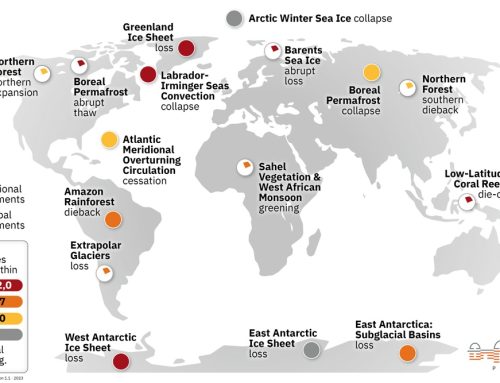
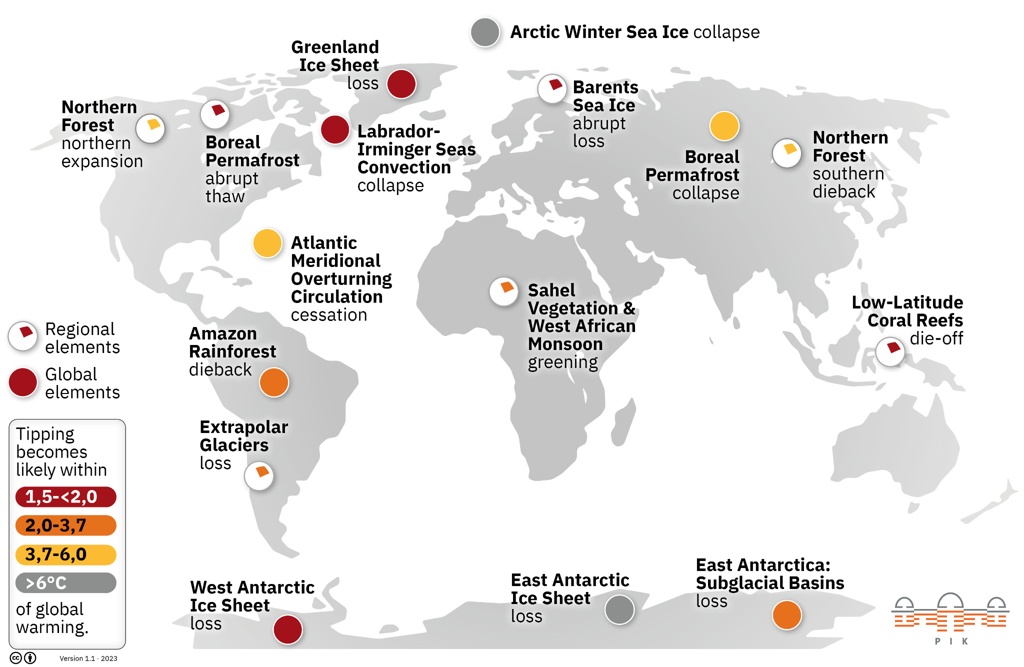
A significant controversy emerged over climate science integrity, with multiple countries accusing “fossil-fuel interests” of coordinated attacks on scientific consensus. Disputes centered on the IPCC’s role, the Paris Agreement’s 1.5C temperature goal, and whether the IPCC’s next assessment report should be accelerated to inform the next global stocktake in 2028. Saudi Arabia and India led resistance to references to climate “tipping points” and 1.5C, while countries like Fiji and the European Union warned that downplaying science would undermine the credibility of climate action.
Looking Ahead to COP31
The failed negotiations in Bonn cast a shadow over November’s COP31 in Antalya, Turkey. With multiple agenda items pushed forward unresolved and geopolitical tensions heightened, UN climate officials warned that the familiar pattern of “you-first-ism” threatens to create lasting gridlock in global climate diplomacy.
References
Bonn climate talks: Key outcomes from the June 2026 UN climate conference https://www.carbonbrief.org/bonn-climate-talks-key-outcomes-from-the-june-2026-un-climate-conference/
About the Author: EARTH CLIMATE



The Bonn talks clearly demonstrate that international climate negotiations are becoming paralyzed by the same old conflicts—rich nations dragging their feet on finance while developing countries rightfully demand that adaptation funds be tied to concrete commitments. It’s deeply troubling that fossil fuel interests are successfully casting doubt on climate science itself, especially the 1.5°C target, when we should be moving faster on emissions reductions instead of relitigating basic facts. The deferral of the global adaptation goal to COP31 is just another example of kicking critical decisions down the road while vulnerable nations face immediate climate impacts. Unless there’s a dramatic shift in political will before the Turkey talks this November, we’re heading toward a climate diplomacy system that’s too broken to deliver the transformative action we desperately need.